
Consumo Justo timeline · Riga, Latvia · 15-19 June 2026
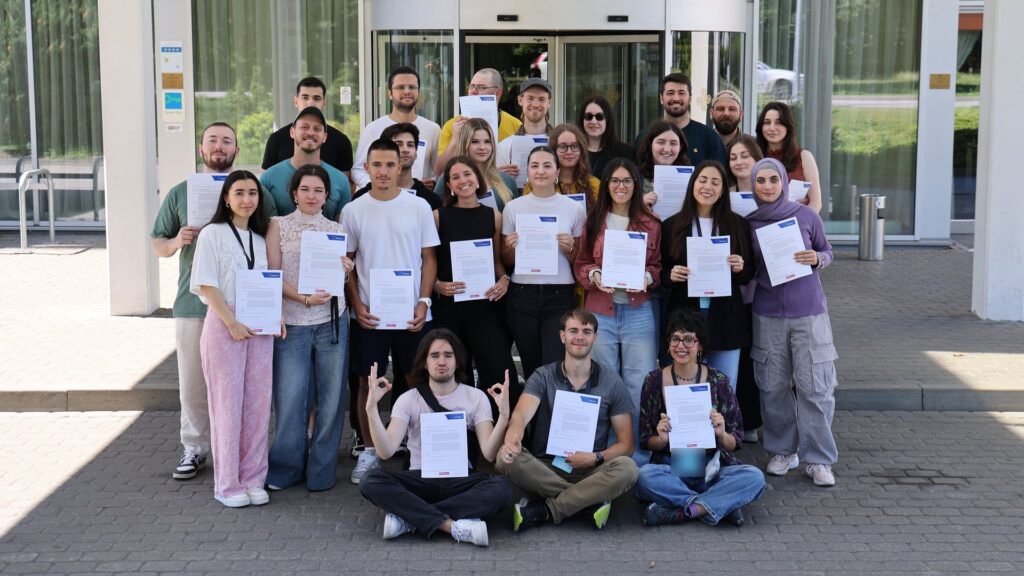
Consumo Justo held its final learning event in Riga from 15 to 19 June 2026. The project, funded by Erasmus+, prepares youth workers to talk with young people about fair, ethical and local consumption. The two earlier events, in Pamplona and Dax, lasted three days each. Riga lasted five, and the extra time changed what was possible. Ecological Future Education, the Latvian partner, hosted 27 participants from the five partner countries, among them a group of five from Mobile Adventure.
Agreeing on words first
An international group cannot assume that everyone means the same thing by “sustainability”. The week therefore began with an exercise called Define Sustainability. Each person wrote a definition alone, then merged it with a partner’s, then pairs merged into fours, and so on until the whole room had one sentence. The useful part was the negotiation at each step.
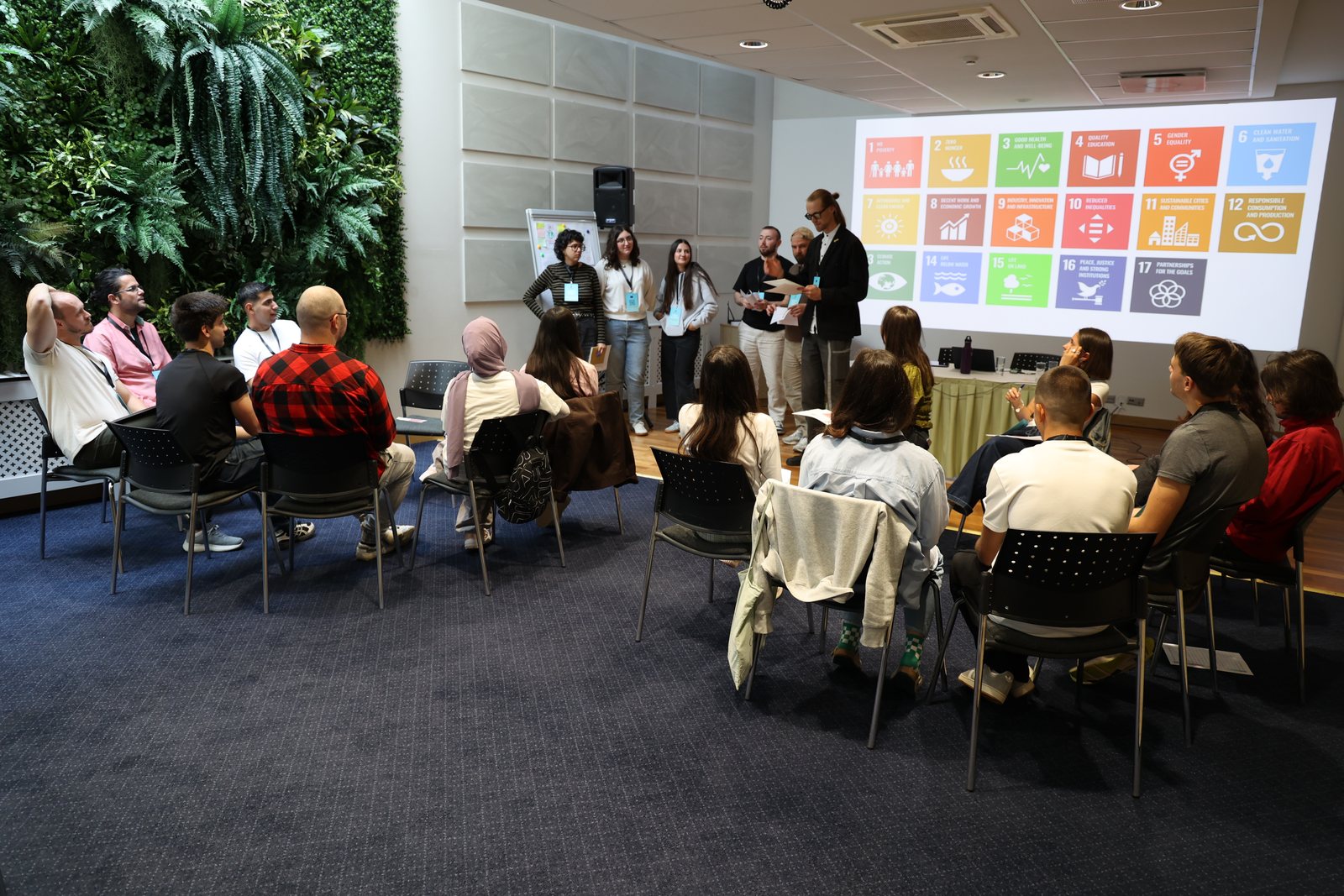
The first two days added a set of cards on the Sustainable Development Goals, a quiz on climate myths and a debate in which nobody was allowed to stay neutral. On statements such as “fast fashion should be banned”, participants had to walk to one side of the room, defend their position and change sides if someone convinced them. Ten of the 27 later named this debate the most engaging activity of the week.
A board game with consequences
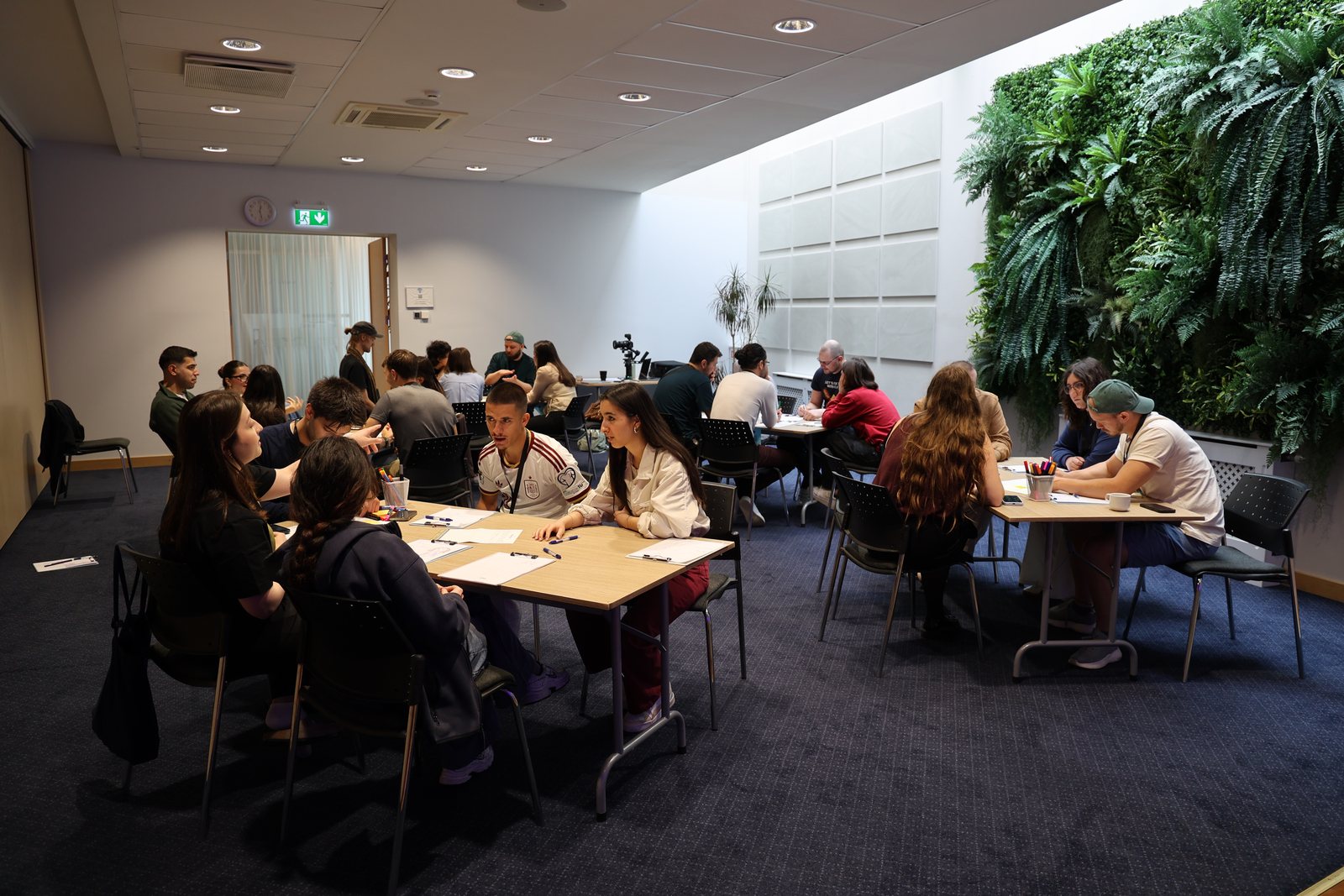
The hosts had built their own board game, set in a fictional community in the year 2050. Each player had a secret personal goal and shared resources, and every group discovered quickly that improving one thing for the community damaged another. It was the highest-rated activity of the week, with 9.81 out of 10.
Where the rubbish goes
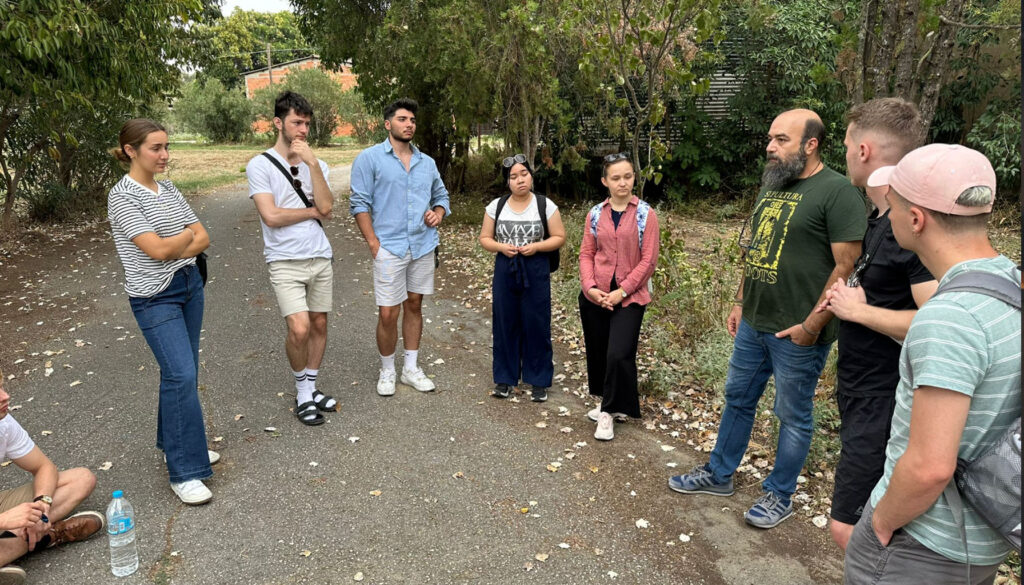
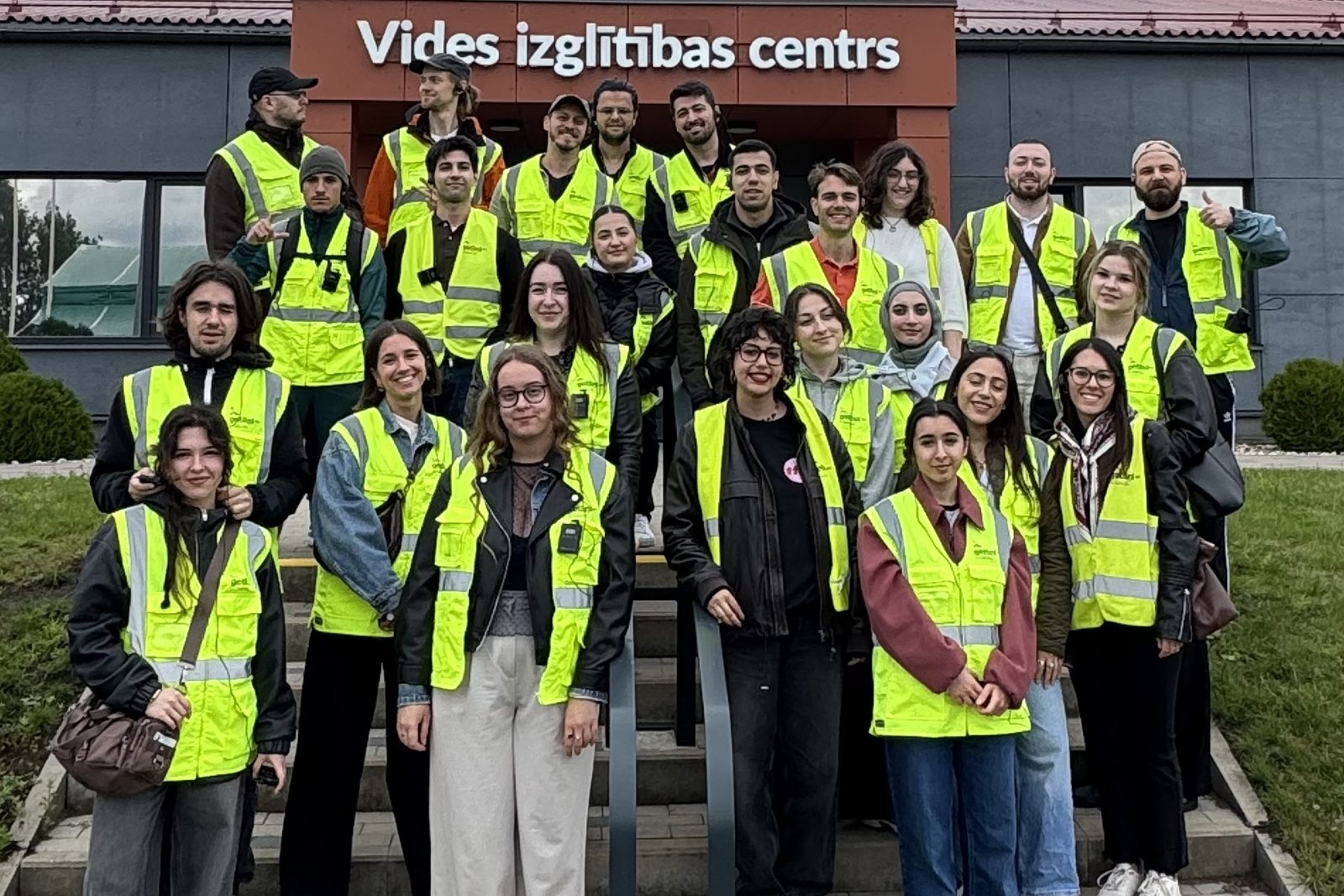
On the third day the group left the hotel for Getliņi EKO, one of the largest waste management sites in the Baltic states. The tour covered the landfill itself, the treatment of biodegradable waste, energy produced from landfill gas and greenhouses heated with that energy.
Most people know they should sort their waste. Few have seen what happens to it afterwards. Eleven of the 27 participants named this visit the most useful part of the week, and it was rated 9.78 out of 10. One of them wrote that the strongest moment was seeing “what we leave behind us”.
Handing over the facilitation
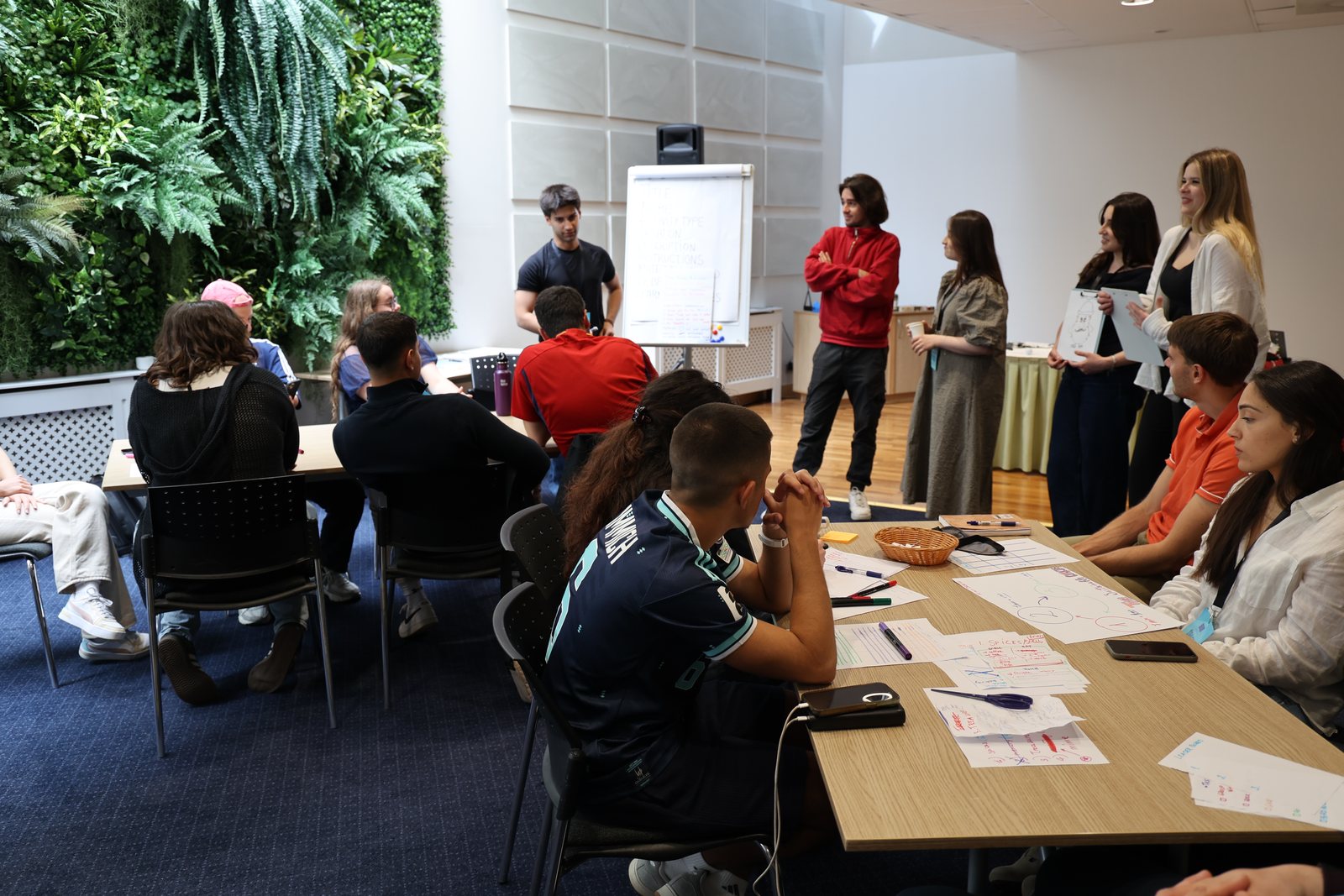
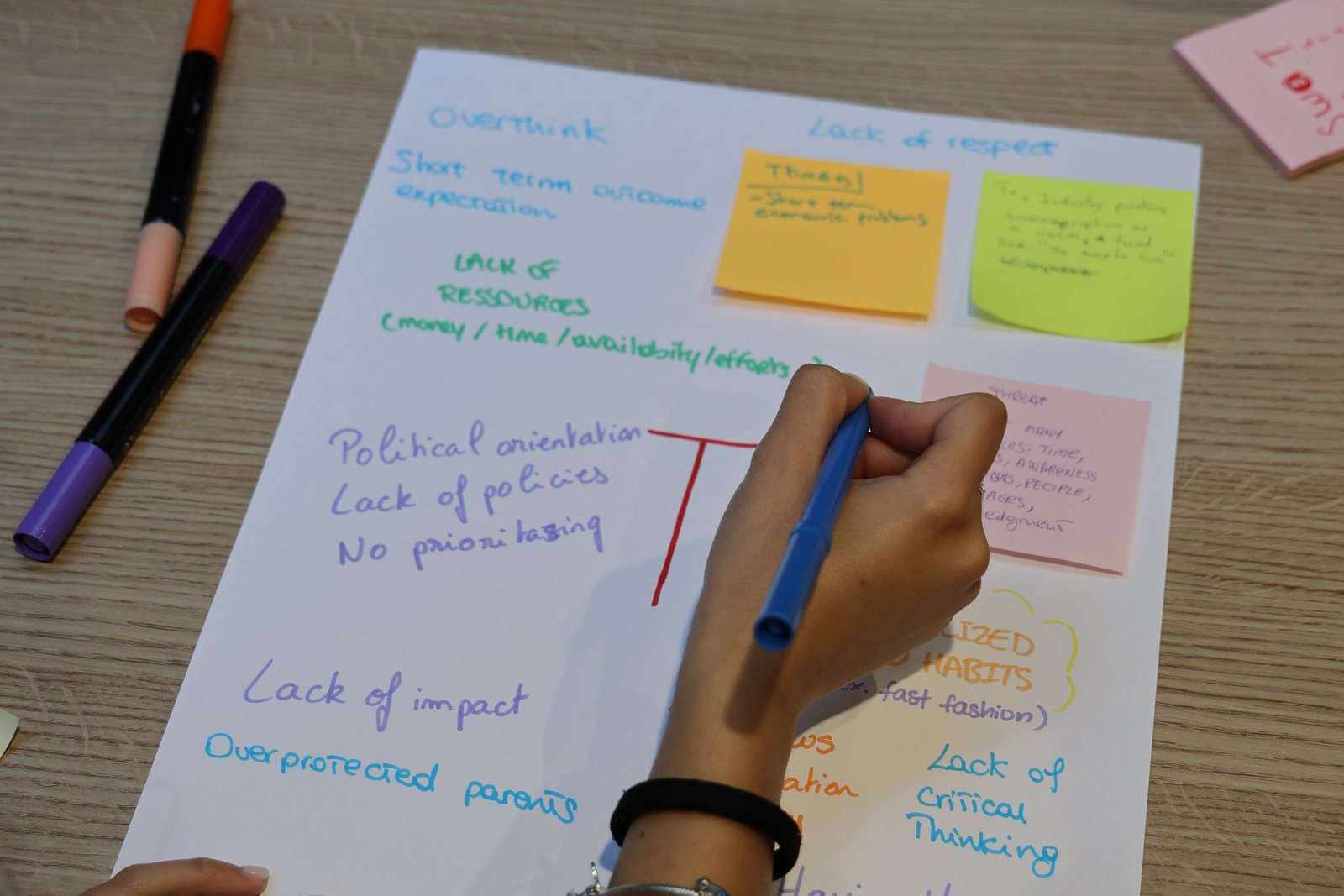
Day four turned the week around. After three days of trying methods, participants had to build one. They formed teams around food, energy, waste and the local economy, filled in a design canvas, pitched their idea in 30 seconds and improved it with comments from the others.
Four of the designs were then run with the whole group. In one of them, Potato Adventure, teams started with three pencils and had to increase their value by trading with strangers. Another staged a debate between different interest groups on whether schools should serve local or imported food.
What participants said
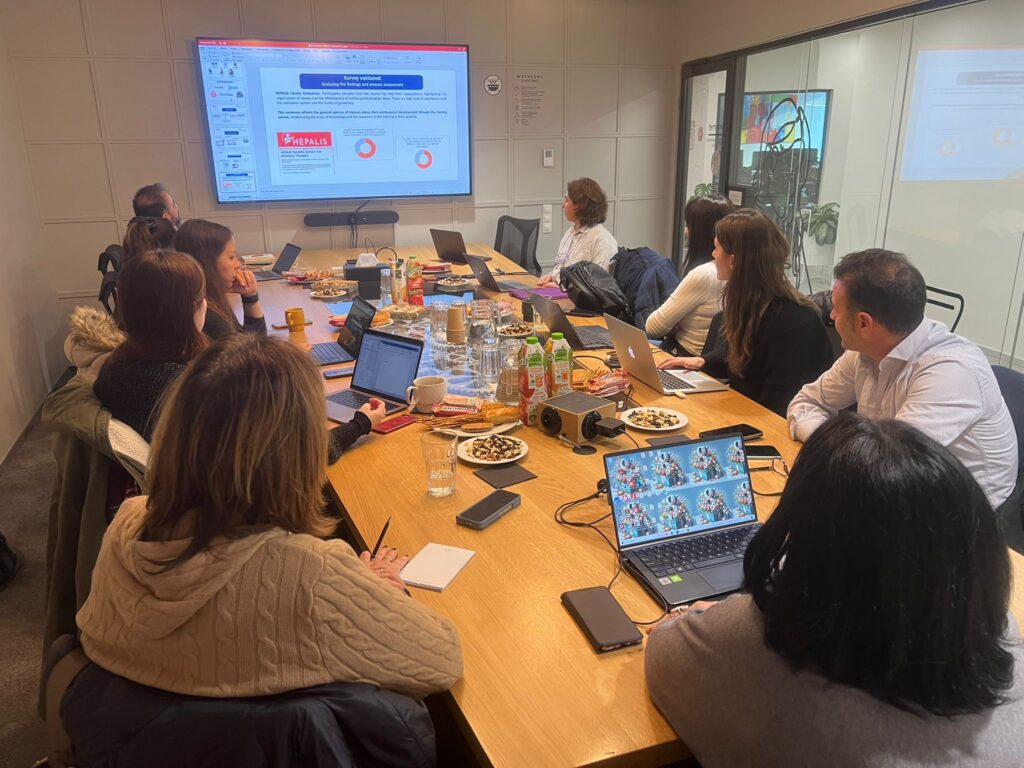
All 27 participants filled in the evaluation. Every one of them agreed that they had gained knowledge and skills and had found a method they intend to use with their own groups. The organisation of the week was rated 4.85 out of 5.
One participant summed it up: “I discovered practical ways to promote responsible consumption with young people.”
The week closed with a visit to the Herbal Festival and with Youthpass certificates, the European record of what each participant learned. Our group came home with methods they had already tried out for themselves.
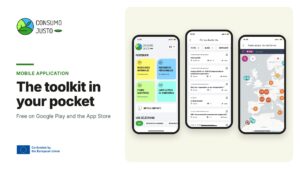
The Consumo Justo app, with the posters, activities and resources described in these posts, is free on Google Play and the App Store.
Consumo Justo is an Erasmus+ cooperation partnership in the field of youth (project 2024-1-FR02-KA220-YOU-000248910). Five organisations run it together: Maison de l’Europe des Landes WIPSEE (France, coordinator), SETEM Navarra (Spain), Collective Innovation (Norway), Ecological Future Education (Latvia) and Mobile Adventure (Poland). All posts and results are on our Consumo Justo project page.

Funded by the European Union. Views and opinions expressed are those of the authors only and do not necessarily reflect those of the European Union or the European Education and Culture Executive Agency (EACEA). Neither the European Union nor EACEA can be held responsible for them.
#ConsumoJustoYouth #EUConsumoJusto #ConsumoJustoErasmus